 Stetho Cases
S3 vs S4 heart sounds: difference, with audio
S3 comes just after S2 (early diastole, “Ken-tuc-ky”) and reflects rapid filling; S4 comes just before S1 (late diastole, “Ten-nes-see”) and reflects atrial contraction into a stiff ventricle. Both are low sounds best heard with the bell at the apex. S3 can be normal in young people; S4 disappears in atrial fibrillation.
Listen to both
 800 Hz
Source: University of Michigan Heart Sound and Murmur Library, CC BY-SA 4.0; cut, filtered and levelled.
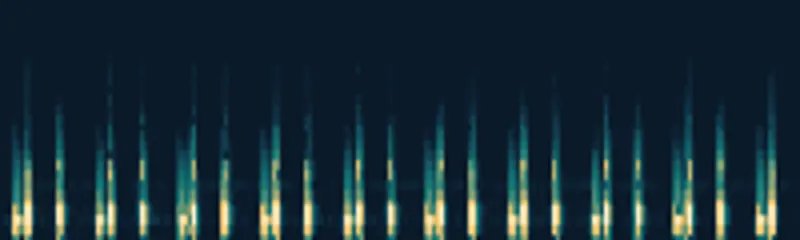 800 Hz
Source: University of Michigan Heart Sound and Murmur Library, CC BY-SA 4.0; cut, filtered and levelled.
Side by side
| S3 gallop | S4 gallop | |
|---|---|---|
| Timing | Just after S2 | Just before S1 |
| Cause | Rapid ventricular filling | Atrial contraction into a stiff ventricle |
| Cue | Ken-tuc-ky | Ten-nes-see |
| Can be normal | Under about 40, athletes | Usually abnormal |
| Linked to | Heart failure, volume overload | Left ventricular hypertrophy, stiff ventricle |
| In atrial fibrillation | Possible | Absent |