 Stetho Cases
Heart sounds: S1, S2, S3, S4, split S2 and clicks, with audio
Normal heart sounds are S1 (“lub”), made when the mitral and tricuspid valves close, and S2 (“dub”), made when the aortic and pulmonic valves close. The pause from S1 to S2 is systole; the longer pause from S2 to the next S1 is diastole at resting heart rates. S3, S4, split sounds and clicks are named by where they fall in that frame.
| Sound | Key point | In one sentence |
|---|---|---|
| Normal S1 and S2 | Two short sounds per beat | A normal heartbeat has two short sounds. |
| Split S2 | At S2: A2 first, then P2 | A split S2 is a second heart sound heard as two close parts: A2 (aortic closure) then P2 (pulmonic closure). |
| S3 gallop | Early diastole, about 0.12–0.18 s after S2 | S3 is a low, dull extra sound early in diastole, about 0.12 to 0.18 seconds after S2, made by rapid filling of the ventricle. |
| S4 gallop | Late diastole, immediately before S1 | S4 is a low extra sound late in diastole, immediately before S1, made when the atrium contracts into a stiff ventricle. |
| Mid-systolic click | Middle of systole | A mid-systolic click is a short, high-pitched sound between S1 and S2. |
Normal S1 and S2
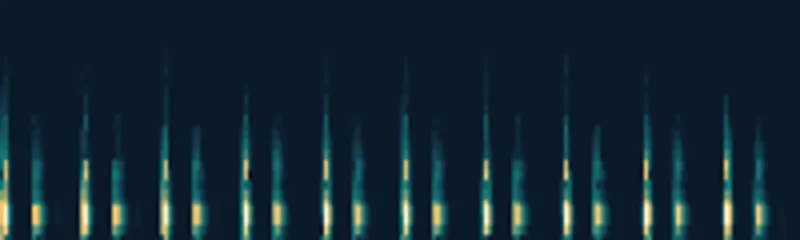 800 Hz
Source: University of Michigan Heart Sound and Murmur Library, CC BY-SA 4.0; cut, filtered and levelled.
Find the longer pause: the sound that ends it is S1. More on Normal S1 and S2
Split S2
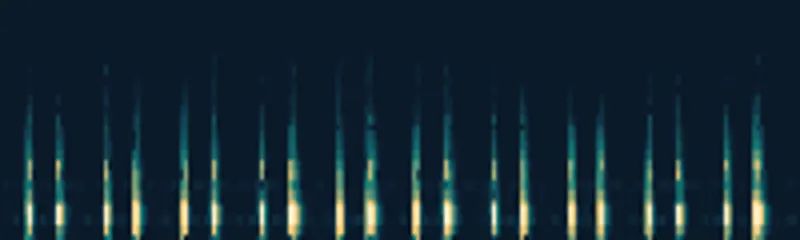 800 Hz
Source: University of Michigan Heart Sound and Murmur Library, CC BY-SA 4.0; cut, filtered and levelled.
Listen at the left upper sternal border over several slow breaths. More on split S2
S3 gallop
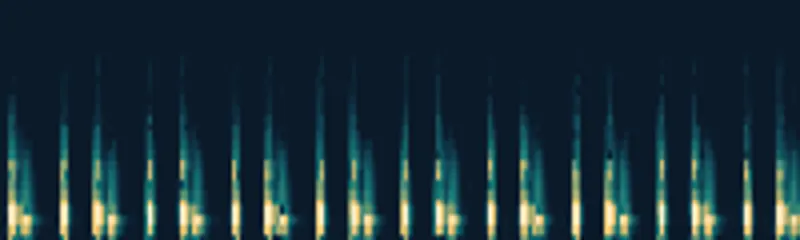 800 Hz
Source: University of Michigan Heart Sound and Murmur Library, CC BY-SA 4.0; cut, filtered and levelled.
Find S2 first, then listen for a soft thud right after it. More on S3 gallop
S4 gallop
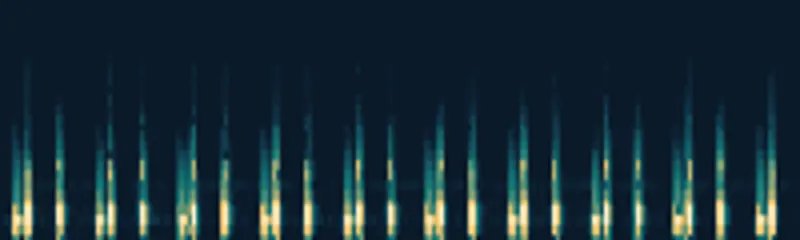 800 Hz
Source: University of Michigan Heart Sound and Murmur Library, CC BY-SA 4.0; cut, filtered and levelled.
Listen to the moment before S1: an S4 makes S1 sound doubled with a low first part. More on S4 gallop
Mid-systolic click
 800 Hz
Source: University of Michigan Heart Sound and Murmur Library, CC BY-SA 4.0; cut, filtered and levelled.
Count sounds per beat: lub – tick – dub. More on mid-systolic click