 Stetho Cases
Heart murmurs: types, timing and audio examples
A heart murmur is a whooshing sound that lasts through part of the cardiac cycle, unlike the short S1 and S2. Describe it by timing first (systolic or diastolic, and which part), then location, shape, pitch, quality and grade. Systolic murmurs fall between S1 and S2; diastolic murmurs fall between S2 and the next S1.
| Sound | Key point | In one sentence |
|---|---|---|
| Holosystolic murmur | All of systole, S1 to S2 | A holosystolic (pansystolic) murmur starts with S1 and continues up to S2 at about the same loudness. |
| Mid-systolic (ejection) murmur | Starts after S1, ends before S2 | A mid-systolic (ejection) murmur starts after S1, rises to a peak and fades before S2, a crescendo-decrescendo or diamond shape. |
| Early systolic murmur | From S1 to about mid-systole | An early systolic murmur starts with S1 and fades in the first half of systole, leaving a quiet gap before S2. |
| Late systolic murmur | Mid or late systole up to S2 | A late systolic murmur begins in the second half of systole and runs up to S2, often after a mid-systolic click. |
| Early diastolic murmur | Starts at S2, fades through diastole | An early diastolic murmur starts right after S2 and fades through diastole. |
| Opening snap and diastolic rumble | Snap just after S2, then a rumble through diastole | An opening snap is a sharp sound shortly after S2, made as a stiff mitral valve opens. |
Holosystolic murmur
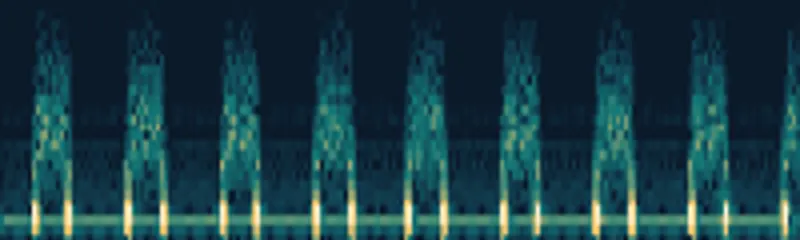 800 Hz
Source: University of Michigan Heart Sound and Murmur Library, CC BY-SA 4.0; cut, filtered and levelled.
Check both ends: there is no gap after S1 and none before S2. More on holosystolic murmur
Mid-systolic (ejection) murmur
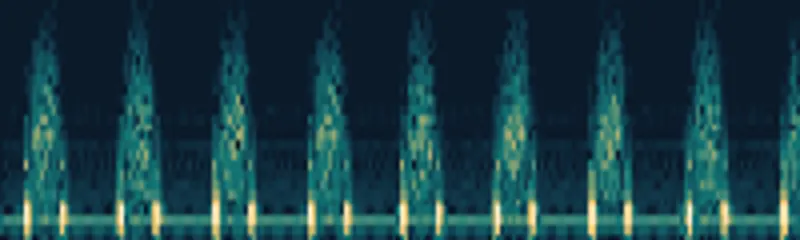 800 Hz
Source: University of Michigan Heart Sound and Murmur Library, CC BY-SA 4.0; cut, filtered and levelled.
Listen for the gap after S1 and the gap before S2. More on mid-systolic (ejection) murmur
Early systolic murmur
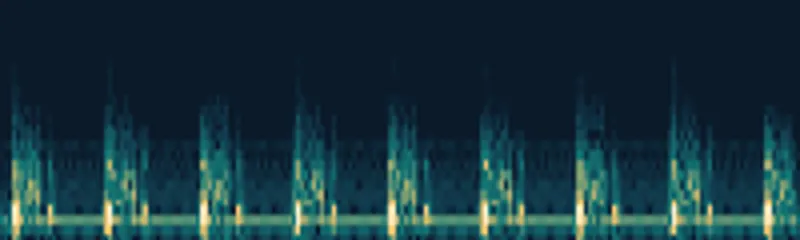 800 Hz
Source: University of Michigan Heart Sound and Murmur Library, CC BY-SA 4.0; cut, filtered and levelled.
Tap along with S1: the murmur starts with your tap. More on early systolic murmur
Late systolic murmur
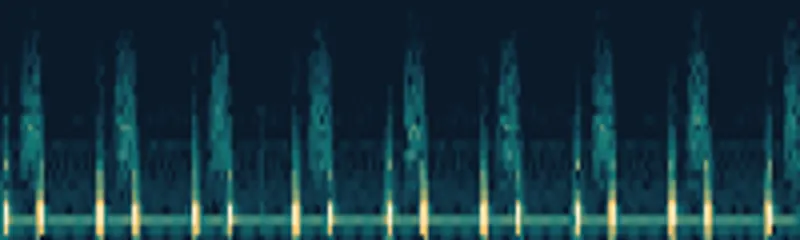 800 Hz
Source: University of Michigan Heart Sound and Murmur Library, CC BY-SA 4.0; cut, filtered and levelled.
The start of systole is quiet: lub – silence – shhh-dub. More on late systolic murmur
Early diastolic murmur
 800 Hz
Source: University of Michigan Heart Sound and Murmur Library, CC BY-SA 4.0; cut, filtered and levelled.
Listen to the start of the long pause: a soft “haaa” right after dub. More on early diastolic murmur
Opening snap and diastolic rumble
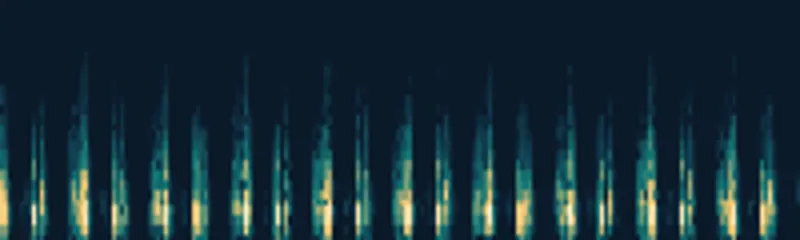 800 Hz
Source: University of Michigan Heart Sound and Murmur Library, CC BY-SA 4.0; cut, filtered and levelled.
Find the apex with the patient turned to the left, and use light pressure. More on opening snap and diastolic rumble