 Stetho Cases
Lung sounds: wheeze, crackles, rhonchi, stridor and rub, with audio
Lung sounds are either normal breath sounds or added (adventitious) sounds. Added sounds are continuous (wheeze, rhonchi, stridor) or discontinuous (fine and coarse crackles). On a spectrogram, continuous sounds draw horizontal lines and crackles draw thin vertical lines. A pleural friction rub is a creaking sound in both phases of breathing.
| Sound | Key point | In one sentence |
|---|---|---|
| Normal (vesicular) breath sounds | Low, soft, rustling | Normal vesicular breath sounds are soft, low-pitched and rustling, heard over most of both lungs. |
| Wheeze | Continuous, musical | A wheeze is a continuous, musical, high-pitched lung sound, usually loudest on expiration, made by air moving through narrowed airways. |
| Rhonchi | Continuous | Rhonchi are continuous, low-pitched sounds like snoring or gurgling, made by secretions or narrowing in the larger airways. |
| Stridor | Continuous, loud | Stridor is a loud, high-pitched sound from a narrowed upper airway (larynx or trachea). |
| Fine crackles | Discontinuous | Fine crackles (fine rales) are soft, high-pitched, very short popping sounds, usually late in inspiration, like hair rubbed between the fingers near the ear. |
| Coarse crackles | Discontinuous | Coarse crackles are louder, lower and longer popping sounds than fine crackles, like bubbles. |
| Pleural friction rub | Creaking, leathery, grating | A pleural friction rub is a creaking, grating sound, like leather being bent, heard in both inspiration and expiration. |
Normal (vesicular) breath sounds
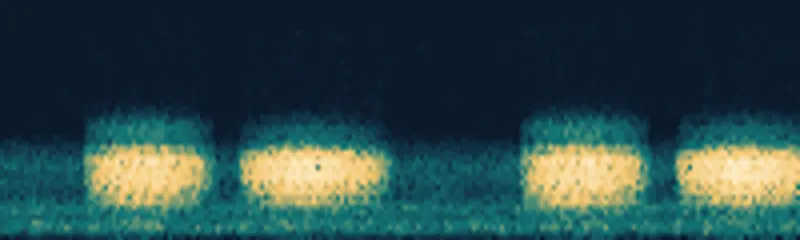 2000 Hz
Source: HLS-CMDS, CC BY 4.0; cut, filtered and levelled.
Listen to at least one full breath at each point. More on normal (vesicular) breath sounds
Wheeze
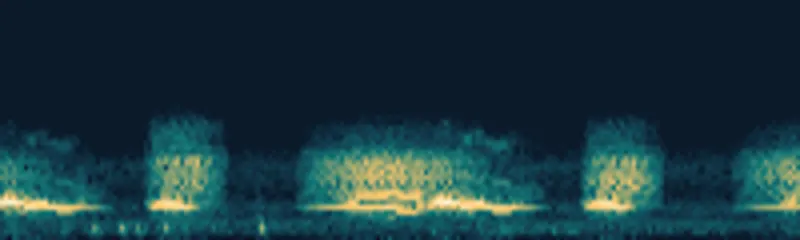 2000 Hz
Source: HLS-CMDS, CC BY 4.0; cut, filtered and levelled.
If you could hum it, it is a wheeze. More on wheeze
Rhonchi
 2000 Hz
Source: HLS-CMDS, CC BY 4.0; cut, filtered and levelled.
Ask for a cough and listen again. More on rhonchi
Stridor
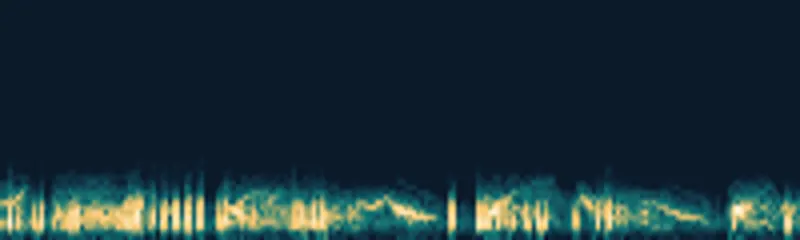 2000 Hz
Source: SPRSound, CC BY 4.0; cut, filtered and levelled.
Listen before you touch the patient: stridor often needs no stethoscope. More on stridor
Fine crackles
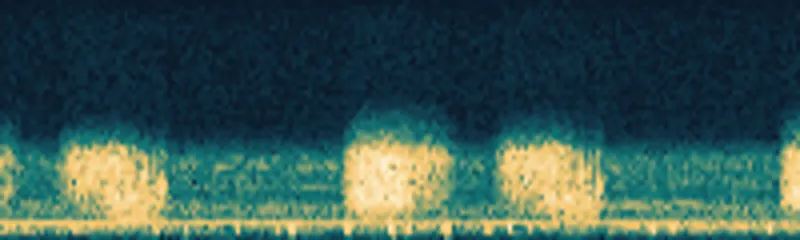 2000 Hz
Source: HLS-CMDS, CC BY 4.0; cut, filtered and levelled.
Ask for slow, deep breaths through an open mouth. More on fine crackles
Coarse crackles
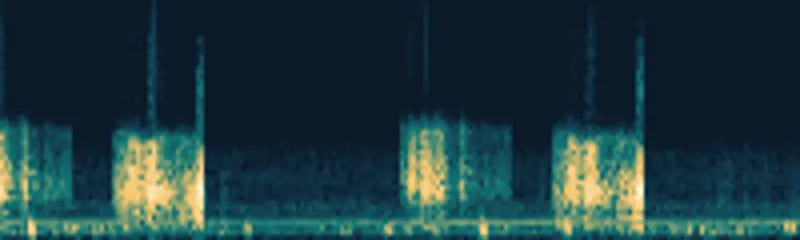 2000 Hz
Source: HLS-CMDS, CC BY 4.0; cut, filtered and levelled.
Think bubbles rather than rubbed hair. More on coarse crackles
Pleural friction rub
 2000 Hz
Source: HLS-CMDS, CC BY 4.0; cut, filtered and levelled.
Ask the patient to hold the breath: a pleural rub stops. More on pleural friction rub