 Stetho Cases
Early diastolic murmur (aortic regurgitation): audio
An early diastolic murmur starts right after S2 and fades through diastole. It is soft, high-pitched and blowing, and is classic for aortic regurgitation. Listen with the diaphragm at the left sternal border while the patient sits forward and holds the breath out. Pulmonic regurgitation gives a similar murmur.
Listen
 800 Hz
Source: University of Michigan Heart Sound and Murmur Library, CC BY-SA 4.0; cut, filtered and levelled.
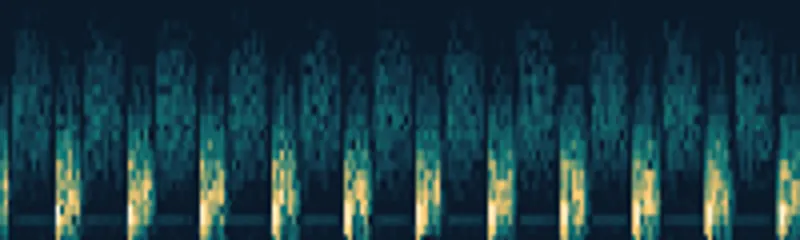 800 Hz
Source: University of Michigan Heart Sound and Murmur Library, CC BY-SA 4.0; cut, filtered and levelled.
Early diastolic murmur at a glance
| Timing | Starts at S2, fades through diastole |
|---|---|
| Shape | Decrescendo |
| Pitch | High, blowing |
| Where | Left sternal border; patient sitting forward, breath held out |
| Chestpiece | Diaphragm, firm pressure |
| Classic for | Aortic regurgitation |
How to recognise it
- Listen to the start of the long pause: a soft “haaa” right after dub.
- It is easy to miss: ask for a held expiration and press the diaphragm firmly.
- With a systolic murmur in the same patient, time each one separately.
Easily confused with
- Opening snap and diastolic rumble: An opening snap is a sharp sound shortly after S2, made as a stiff mitral valve opens.
- Mid-systolic (ejection) murmur: A mid-systolic (ejection) murmur starts after S1, rises to a peak and fades before S2, a crescendo-decrescendo or diamond shape.