 Stetho Cases
Mid-systolic ejection murmur: crescendo-decrescendo audio
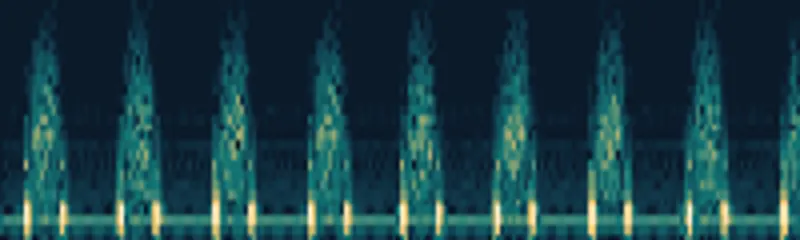
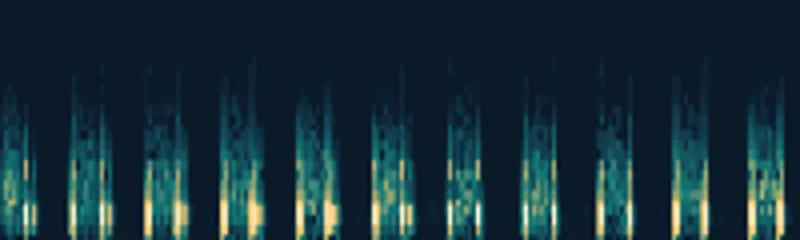
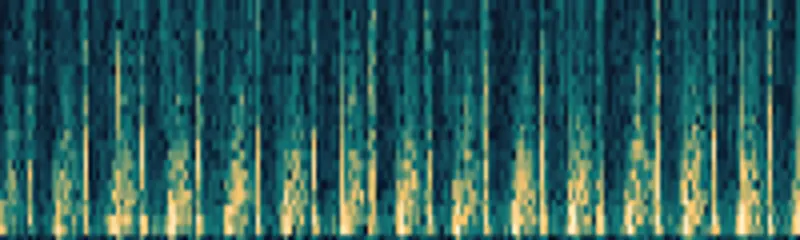
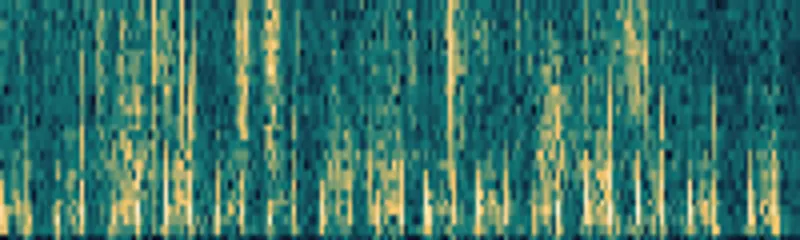
A mid-systolic (ejection) murmur starts after S1, rises to a peak and fades before S2, a crescendo-decrescendo or diamond shape. It comes from flow through an outflow tract: aortic stenosis, pulmonic stenosis, or an innocent flow murmur, which is common in children.
Listen
 800 Hz
Source: University of Michigan Heart Sound and Murmur Library, CC BY-SA 4.0; cut, filtered and levelled.
 800 Hz
Source: University of Michigan Heart Sound and Murmur Library, CC BY-SA 4.0; cut, filtered and levelled.
 800 Hz
Source: CirCor DigiScope, ODC-By 1.0; cut, filtered and levelled.
 800 Hz
Source: CirCor DigiScope, ODC-By 1.0; cut, filtered and levelled.
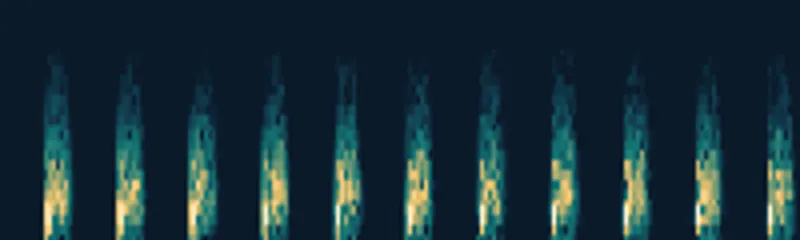 800 Hz
Source: University of Michigan Heart Sound and Murmur Library, CC BY-SA 4.0; cut, filtered and levelled.
Mid-systolic (ejection) murmur at a glance
| Timing | Starts after S1, ends before S2 |
|---|---|
| Shape | Crescendo-decrescendo (diamond) |
| Aortic stenosis | Right upper sternal border |
| Pulmonic stenosis | Left upper sternal border |
| Innocent flow murmur | Soft, common in children |
How to recognise it
- Listen for the gap after S1 and the gap before S2.
- Trace the loudness with your hand: up, then down.
- A soft or absent S2 at the aortic area together with this murmur can point to severe aortic stenosis.
Easily confused with
- Holosystolic murmur: A holosystolic (pansystolic) murmur starts with S1 and continues up to S2 at about the same loudness.
- Early systolic murmur: An early systolic murmur starts with S1 and fades in the first half of systole, leaving a quiet gap before S2.
- Holosystolic vs ejection murmur