 Stetho Cases
Late systolic murmur: audio and spectrogram
A late systolic murmur begins in the second half of systole and runs up to S2, often after a mid-systolic click. It is typical of mitral valve prolapse, where the valve leaks only once the ventricle has become small enough for the leaflet to bulge back. Listen at the apex.
Listen
 800 Hz
Source: University of Michigan Heart Sound and Murmur Library, CC BY-SA 4.0; cut, filtered and levelled.
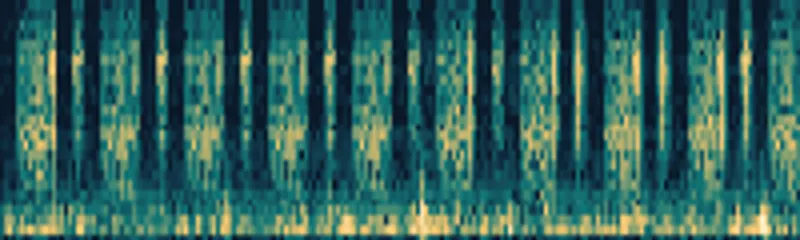 800 Hz
Source: HLS-CMDS, CC BY 4.0; cut, filtered and levelled.
Late systolic murmur at a glance
| Timing | Mid or late systole up to S2 |
|---|---|
| Where | Apex |
| Often preceded by | Mid-systolic click |
| Typical of | Mitral valve prolapse |
How to recognise it
- The start of systole is quiet: lub – silence – shhh-dub.
- Look for a click at the point where the murmur begins.
Easily confused with
- Mid-systolic click: A mid-systolic click is a short, high-pitched sound between S1 and S2.
- Holosystolic murmur: A holosystolic (pansystolic) murmur starts with S1 and continues up to S2 at about the same loudness.