 Stetho Cases
Holosystolic (pansystolic) murmur: causes and audio
A holosystolic (pansystolic) murmur starts with S1 and continues up to S2 at about the same loudness. The classic causes are mitral regurgitation (loudest at the apex), tricuspid regurgitation (left lower sternal border) and ventricular septal defect (left lower sternal border, often harsh).
Listen
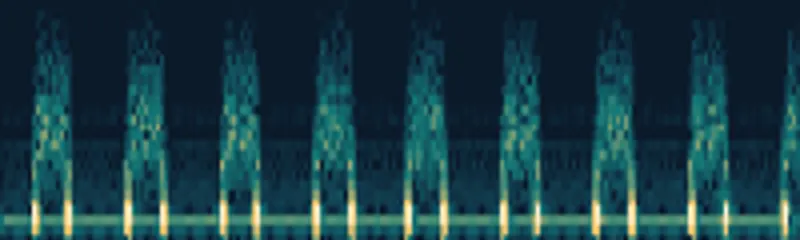 800 Hz
Source: University of Michigan Heart Sound and Murmur Library, CC BY-SA 4.0; cut, filtered and levelled.
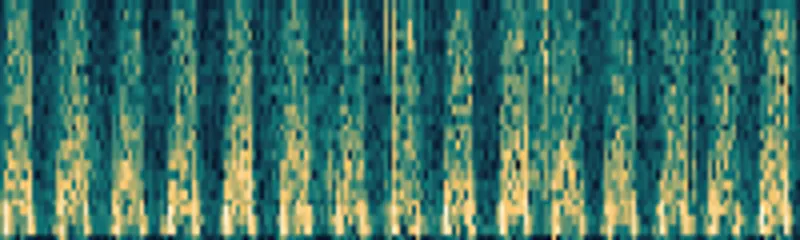 800 Hz
Source: CirCor DigiScope, ODC-By 1.0; cut, filtered and levelled.
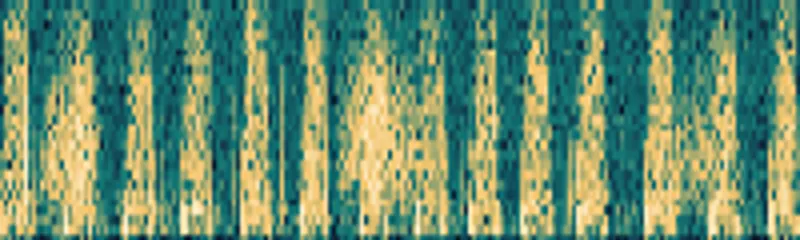 800 Hz
Source: CirCor DigiScope, ODC-By 1.0; cut, filtered and levelled.
Holosystolic murmur at a glance
| Timing | All of systole, S1 to S2 |
|---|---|
| Shape | Plateau: even loudness |
| Quality | Blowing, or harsh in a ventricular septal defect |
| Mitral regurgitation | Loudest at the apex |
| Tricuspid regurgitation | Left lower sternal border |
| Ventricular septal defect | Left lower sternal border |
How to recognise it
- Check both ends: there is no gap after S1 and none before S2.
- On the spectrogram the band of energy joins the S1 and S2 lines.
- Compare with a mid-systolic murmur, which leaves a gap at each end.
Easily confused with
- Mid-systolic (ejection) murmur: A mid-systolic (ejection) murmur starts after S1, rises to a peak and fades before S2, a crescendo-decrescendo or diamond shape.
- Early systolic murmur: An early systolic murmur starts with S1 and fades in the first half of systole, leaving a quiet gap before S2.
- Holosystolic vs ejection murmur