 Stetho Cases
Pleural friction rub: audio and how to recognise it
A pleural friction rub is a creaking, grating sound, like leather being bent, heard in both inspiration and expiration. It is made by inflamed pleural surfaces sliding over each other and does not change with coughing. It stops when the patient holds the breath, which separates it from a pericardial rub.
Listen
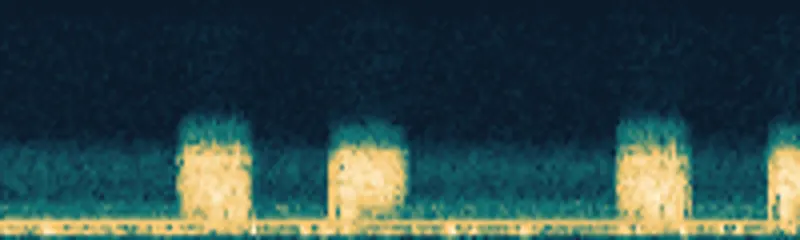 2000 Hz
Source: HLS-CMDS, CC BY 4.0; cut, filtered and levelled.
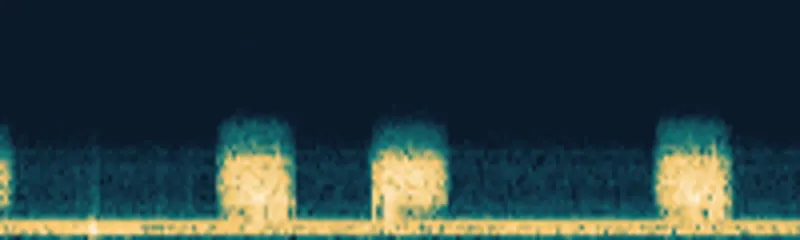 2000 Hz
Source: HLS-CMDS, CC BY 4.0; cut, filtered and levelled.
Pleural friction rub at a glance
| Quality | Creaking, leathery, grating |
|---|---|
| Timing | Both inspiration and expiration |
| Effect of cough | No change |
| Effect of breath-hold | Stops (a pericardial rub continues) |
| Common causes | Pleurisy, pneumonia, pulmonary embolism |
How to recognise it
- Ask the patient to hold the breath: a pleural rub stops.
- Ask for a cough: crackles may change, a rub does not.
- It often repeats in the same place in each breath.
Easily confused with
- Coarse crackles: Coarse crackles are louder, lower and longer popping sounds than fine crackles, like bubbles.
- Fine crackles: Fine crackles (fine rales) are soft, high-pitched, very short popping sounds, usually late in inspiration, like hair rubbed between the fingers near the ear.