 Stetho Cases
Holosystolic vs ejection murmur: difference, with audio
A holosystolic murmur runs from S1 to S2 at an even loudness; an ejection (mid-systolic) murmur starts after S1, peaks and fades before S2. Holosystolic murmurs come from mitral or tricuspid regurgitation or a ventricular septal defect; ejection murmurs come from flow through the aortic or pulmonic outflow tract.
Listen to both
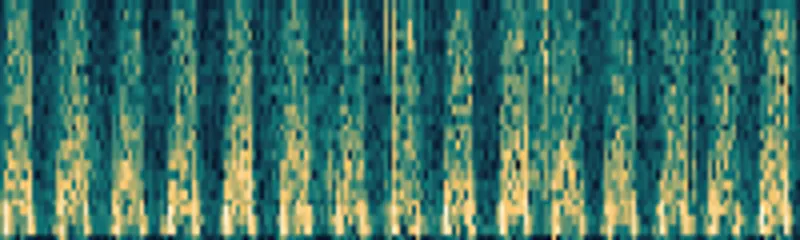 800 Hz
Source: CirCor DigiScope, ODC-By 1.0; cut, filtered and levelled.
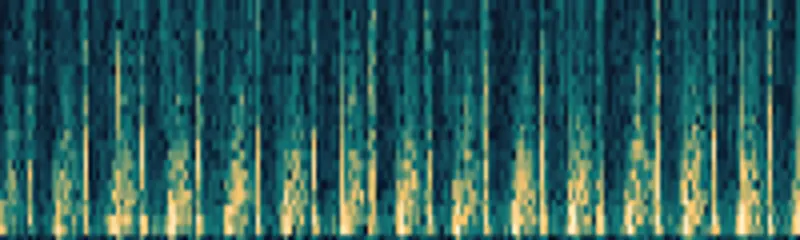 800 Hz
Source: CirCor DigiScope, ODC-By 1.0; cut, filtered and levelled.
Side by side
| Holosystolic murmur | Mid-systolic (ejection) murmur | |
|---|---|---|
| Timing | S1 to S2, no gaps | Gap after S1 and before S2 |
| Shape | Plateau | Diamond (crescendo-decrescendo) |
| Typical place | Apex or left lower sternal border | Right or left upper sternal border |
| Typical causes | Mitral or tricuspid regurgitation, ventricular septal defect | Aortic or pulmonic stenosis, innocent flow murmur |