 Stetho Cases
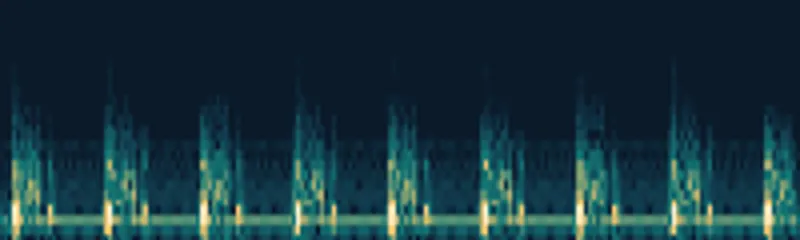
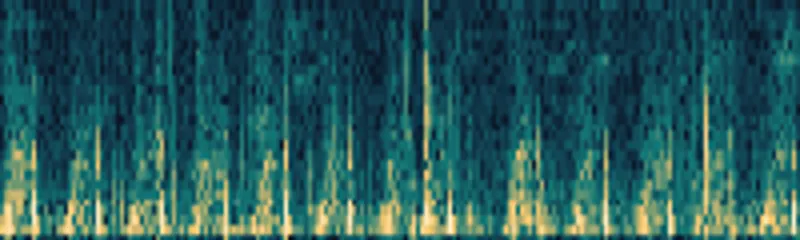
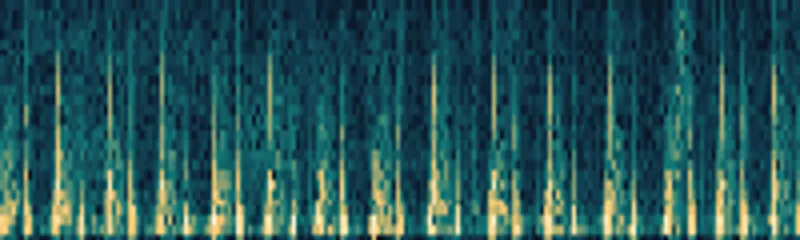
Early systolic murmur: audio examples
An early systolic murmur starts with S1 and fades in the first half of systole, leaving a quiet gap before S2. It can be a small muscular ventricular septal defect, whose opening closes as the muscle contracts, or an innocent murmur in a child.
Listen
 800 Hz
Source: University of Michigan Heart Sound and Murmur Library, CC BY-SA 4.0; cut, filtered and levelled.
 800 Hz
Source: CirCor DigiScope, ODC-By 1.0; cut, filtered and levelled.
 800 Hz
Source: CirCor DigiScope, ODC-By 1.0; cut, filtered and levelled.
Early systolic murmur at a glance
| Timing | From S1 to about mid-systole |
|---|---|
| Shape | Often decrescendo |
| Seen with | Small ventricular septal defects, some innocent murmurs |
How to recognise it
- Tap along with S1: the murmur starts with your tap.
- Then listen to the end of systole: it should be quiet before S2.
Easily confused with
- Holosystolic murmur: A holosystolic (pansystolic) murmur starts with S1 and continues up to S2 at about the same loudness.
- Mid-systolic (ejection) murmur: A mid-systolic (ejection) murmur starts after S1, rises to a peak and fades before S2, a crescendo-decrescendo or diamond shape.